

New Pet Identification Technology Launched in the UK
- 19 October 2025
- BuyAPet Editorial Team
- Pet Accessories, Pet News
New Pet Identification Technology Launched in the UK
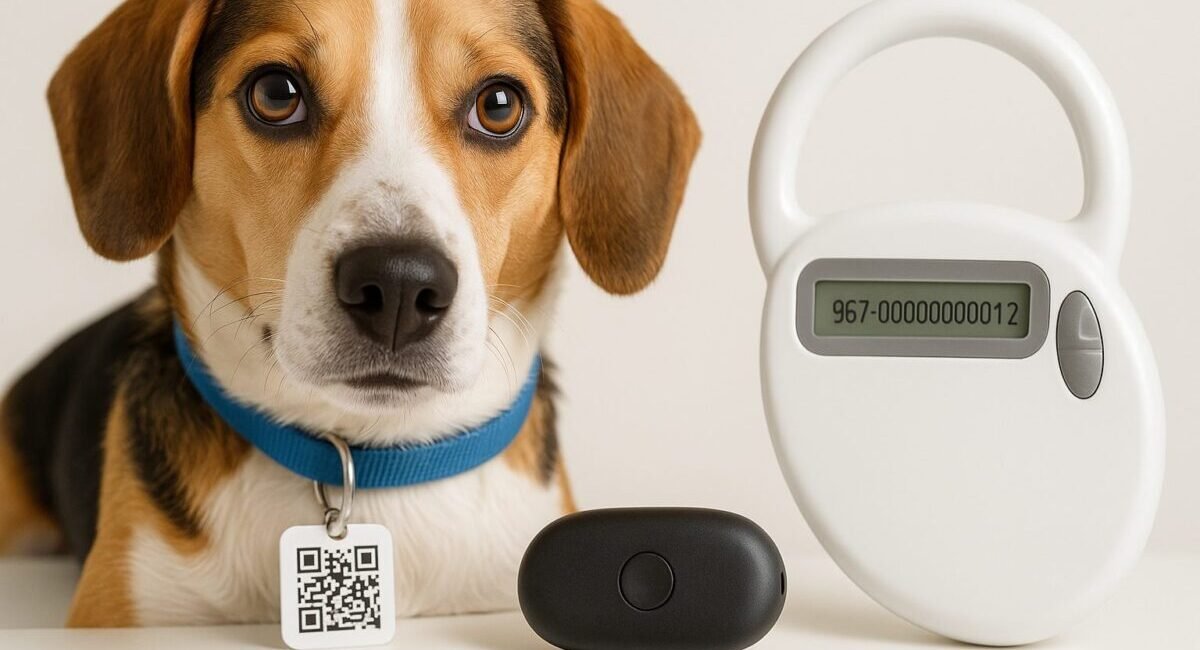
From smarter microchips to QR collars and GPS tags, here’s how the latest UK tech helps reunite lost pets faster—while keeping your data secure.
How the new tech works
Smarter microchips: The latest chips pair with owner portals so your contact details stay current. If your pet is found, rescues can scan the chip and reach you immediately.
- QR collars: A finder scans the tag with any phone and sees your pet’s secure profile with contact options.
- GPS tags: Real-time location via a lightweight tracker; set safe zones and alerts.
- Instant alerts: Get notified if your pet’s QR is scanned or the GPS leaves your home area.
Costs & ongoing fees
Pricing varies by brand and features. As a ballpark:
- Microchip one-off vet fee; database updates usually free or low-cost.
- QR tag small one-off cost; some offer premium features for a subscription.
- GPS device cost + monthly service for data and advanced tracking.
Whatever you pick, prioritise reliability, battery life (for GPS), and ease of updating your details.
Privacy & data security
Your contact details should be visible only to legitimate finders and authorities:
- Look for solutions that mask your number and email until you accept contact.
- Ensure the database is compliant with UK law and lets you update details instantly.
How to choose the right ID (quick guide)
- Always microchip (legal for dogs; required for cats). Keep your database info current.
- Add a QR collar tag for instant contact from anyone with a phone.
- For roaming pets, consider a GPS tracker with good battery life and coverage.
FAQs (UK specific)
Do I still need a microchip if I use a QR or GPS tag?
What happens if someone scans my pet’s QR tag?
Are there ongoing fees?
Will a GPS tag be too heavy for my pet?
How do I keep my details up to date?
Is my personal data safe?
Disclaimer: The information in this article is for general guidance only and is not a substitute for professional advice. Always follow UK laws and the instructions from your vet, local authority, microchip database, and your device provider.
